

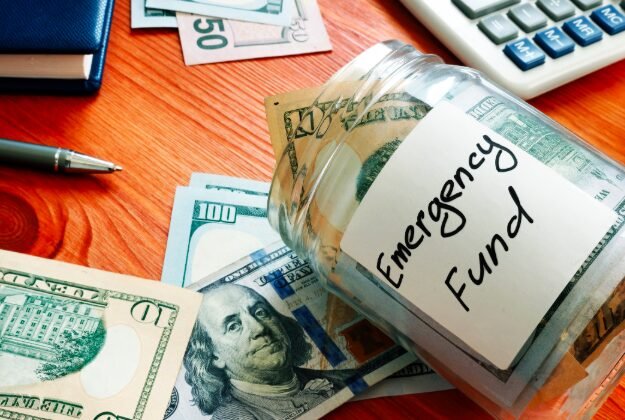
An emergency fund is one of the most important parts of personal finance. Life is unpredictable, and unexpected expenses can happen at any time. Medical bills, car repairs, job loss, or home emergencies can quickly create financial stress if you are not prepared. An emergency fund provides a financial safety net that helps you handle these situations without relying heavily on credit cards or loans.
Many people focus on investing or paying off debt but overlook the importance of emergency savings. However, having money set aside for emergencies can improve financial stability, reduce stress, and protect long-term financial goals.
What Is an Emergency Fund?
An emergency fund is money saved specifically for unexpected financial situations. It is not meant for entertainment, vacations, shopping, or regular monthly expenses. Instead, it is reserved for true emergencies that require immediate financial support.
Common situations where an emergency fund may be needed include:
- Sudden medical expenses
- Car repairs
- Job loss or reduced income
- Emergency home repairs
- Unexpected travel emergencies
- Urgent family situations
The main purpose of an emergency fund is to prevent financial hardship during difficult times.
Why an Emergency Fund Is Important
Without emergency savings, many people rely on credit cards, loans, or borrowing money during financial emergencies. This can lead to debt and additional financial stress.
An emergency fund offers several benefits:
| Benefit | Explanation |
|---|---|
| Financial security | Helps cover unexpected expenses |
| Reduced stress | Provides peace of mind during emergencies |
| Avoiding debt | Reduces reliance on loans or credit cards |
| Financial independence | Gives greater control over finances |
| Protection of long-term goals | Prevents using investment or retirement savings |
Emergency savings act as a financial cushion that can protect your overall financial health.
How Much Money Should Be in an Emergency Fund?
The ideal size of an emergency fund depends on personal circumstances, income stability, and monthly expenses.
Many financial experts recommend saving:
- Three to six months of living expenses
- More savings for unstable or freelance income
- Smaller starter funds for beginners
For example:
| Monthly Expenses | Recommended Emergency Fund |
|---|---|
| $1,000 | $3,000–$6,000 |
| $2,000 | $6,000–$12,000 |
| $3,000 | $9,000–$18,000 |
If saving several months of expenses feels overwhelming, start with a smaller goal such as $500 or $1,000 and build gradually over time.
Start Small and Stay Consistent
One of the biggest mistakes people make is believing they need a large amount immediately. Building an emergency fund takes time, and consistency matters more than starting with a huge deposit.
Simple ways to start saving include:
- Setting aside small weekly amounts
- Saving part of each paycheck
- Depositing tax refunds or bonuses
- Reducing unnecessary spending
- Using automatic transfers to savings accounts
Even small contributions can grow into meaningful savings over time.
Where to Keep Your Emergency Fund
Emergency funds should be easy to access but separate from daily spending accounts. The goal is to keep the money safe and available when needed.
Common places to keep emergency savings include:
High-Yield Savings Accounts
These accounts usually offer better interest rates than regular savings accounts while keeping funds accessible.
Money Market Accounts
Money market accounts may provide slightly higher interest rates and easy access to funds.
Separate Savings Accounts
Keeping emergency savings separate from checking accounts helps reduce unnecessary spending temptation.
Emergency funds should generally not be invested in high-risk assets because emergencies may require immediate access to the money.
What Counts as a Real Emergency?
Understanding what qualifies as an emergency is important. Emergency funds should only be used for urgent and necessary expenses.
Examples of real emergencies include:
- Emergency medical treatment
- Unexpected job loss
- Major car repairs needed for work
- Urgent home repairs like plumbing or roof damage
Non-emergency expenses may include:
- Shopping purchases
- Vacations
- Entertainment
- Upgrading electronics unnecessarily
Using emergency savings responsibly helps ensure the money is available when truly needed.
Common Challenges When Building an Emergency Fund
Saving money consistently can be difficult, especially for people with limited income or high monthly expenses.
High Living Costs
Rising costs of housing, groceries, and utilities can make saving challenging.
Debt Payments
Credit card debt and loans often reduce the ability to save regularly.
Irregular Income
Freelancers and gig workers may experience fluctuating income, making consistent savings harder.
Despite these challenges, even small savings progress is valuable and can improve financial security over time.
Tips to Grow Your Emergency Fund Faster
There are several strategies that can help build savings more quickly.
Reduce Unnecessary Spending
Cutting back on subscriptions, dining out, or impulse purchases can free extra money for savings.
Increase Income
Side jobs, freelancing, or selling unused items can provide additional money for emergency savings.
Use Budgeting Tools
Tracking expenses helps identify areas where money can be saved.
Save Windfalls
Unexpected money such as bonuses, gifts, or tax refunds can help boost savings faster.
Small financial decisions made consistently can lead to strong long-term results.
Emergency Funds vs Investments
An emergency fund is different from investing. Investments are meant for long-term growth, while emergency savings focus on stability and accessibility.
| Emergency Fund | Investments |
|---|---|
| Easy access to money | Long-term growth |
| Low financial risk | Higher potential risk |
| Used for emergencies | Used for wealth building |
| Stable value | Value may fluctuate |
Both are important parts of a healthy financial plan.
The Psychological Benefits of Emergency Savings
Emergency funds do more than protect finances. They also improve emotional well-being and reduce anxiety about unexpected problems.
Having savings available can help people feel:
- More confident financially
- Less stressed during emergencies
- More prepared for uncertainty
- More independent and secure
Financial peace of mind is one of the biggest advantages of emergency savings.
Conclusion
An emergency fund is a critical part of financial stability and long-term money management. It provides protection during unexpected situations and reduces the need to rely on debt during emergencies.
Building an emergency fund may take time, but starting small and saving consistently can create meaningful financial security. Whether your goal is $500 or several months of expenses, every step toward emergency savings helps strengthen your financial future.