

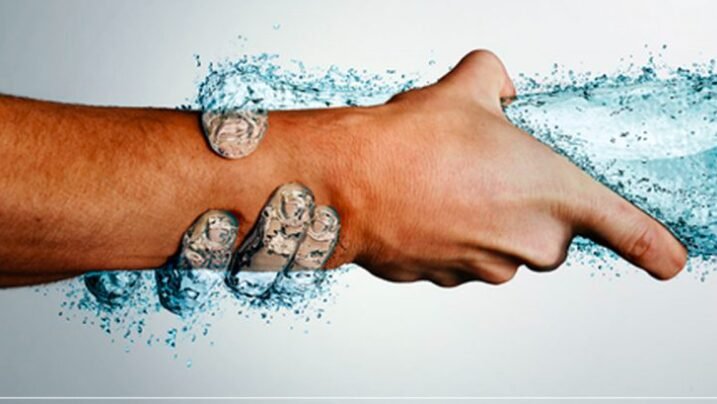
Dehydration occurs when the body loses more fluids than it takes in. Water is essential for almost every function in the body, including regulating temperature, supporting digestion, transporting nutrients, and maintaining healthy organs. When the body does not have enough fluids, it can lead to dehydration, which may range from mild to severe.
Dehydration can affect people of all ages, but young children, older adults, and people with certain medical conditions are at a higher risk. Recognizing the signs and symptoms of dehydration early can help prevent serious health complications and support faster recovery.
What Causes Dehydration?
Dehydration can happen for many reasons. The body naturally loses fluids through sweating, urination, breathing, and digestion. If these fluids are not replaced properly, dehydration may occur.
Common causes of dehydration include:
- Not drinking enough water
- Excessive sweating
- Hot weather
- Fever
- Vomiting or diarrhea
- Intense exercise
- Excessive caffeine or alcohol consumption
- Certain medications
Even mild dehydration can affect how the body functions and may reduce energy levels and concentration.
Early Signs of Dehydration
The symptoms of dehydration often begin mildly and may become more serious if fluid loss continues.
Increased Thirst
One of the earliest signs of dehydration is feeling thirsty. Thirst is the body’s natural way of signaling that it needs more fluids.
Dry Mouth and Lips
A lack of fluids may reduce saliva production, leading to a dry mouth, cracked lips, and a sticky feeling in the mouth.
Dark Yellow Urine
Urine color can be an important indicator of hydration. Healthy urine is usually pale yellow, while dark yellow or amber-colored urine may suggest dehydration.
Reduced Urination
People who are dehydrated may urinate less frequently than normal because the body tries to conserve water.
Fatigue and Weakness
Dehydration can lower blood volume and reduce oxygen flow to muscles and organs, leading to tiredness and weakness.
Common Symptoms of Moderate Dehydration
As dehydration worsens, symptoms may become more noticeable and uncomfortable.
| Symptom | Description |
|---|---|
| Headache | Caused by reduced fluid levels and blood flow |
| Dizziness | Feeling lightheaded or unsteady |
| Dry Skin | Skin may feel rough or less elastic |
| Muscle Cramps | Loss of fluids and electrolytes can affect muscles |
| Rapid Heartbeat | The heart works harder when fluid levels drop |
| Difficulty Concentrating | Brain function may slow due to dehydration |
Moderate dehydration should be treated quickly to prevent further complications.
Severe Dehydration Symptoms
Severe dehydration is a medical emergency that requires immediate attention. Without treatment, it can become life-threatening.
Confusion or Irritability
Severe fluid loss may affect brain function, leading to confusion, irritability, or unusual behavior.
Very Little or No Urine
A person with severe dehydration may stop urinating or produce very small amounts of dark urine.
Rapid Breathing and Fast Pulse
The body may struggle to maintain proper circulation and oxygen delivery.
Sunken Eyes
Sunken eyes are a common sign of serious dehydration, especially in children and older adults.
Fainting
Low blood pressure caused by dehydration may lead to fainting or collapse.
Signs of Dehydration in Children
Children can become dehydrated quickly, especially during illness or hot weather. Parents should watch for signs such as:
- Dry tongue and mouth
- Crying without tears
- Fewer wet diapers
- Sleepiness or irritability
- Sunken soft spot on a baby’s head
- Cool or blotchy hands and feet
Children with severe dehydration may need urgent medical care.
Signs of Dehydration in Older Adults
Older adults may not always feel thirsty even when their bodies need fluids. This increases the risk of dehydration.
Common signs in older adults include:
- Confusion
- Dizziness
- Low blood pressure
- Dry skin
- Weakness
- Constipation
Certain medications and medical conditions can also increase dehydration risk in elderly individuals.
How Dehydration Affects the Body
Water is necessary for healthy body function. When fluid levels drop, several systems may be affected.
Brain Function
Dehydration may reduce concentration, memory, and mood. Even mild dehydration can make it difficult to focus.
Kidney Function
The kidneys rely on proper hydration to remove waste from the body. Severe dehydration may increase the risk of kidney stones or kidney damage.
Body Temperature Regulation
Sweating helps cool the body. Without enough fluids, the body may struggle to regulate temperature properly.
Digestive Health
Dehydration can slow digestion and contribute to constipation.
How to Treat Dehydration
Treatment depends on how severe the dehydration is.
Drink More Fluids
Water is usually the best choice for mild dehydration. Oral rehydration solutions may help replace lost electrolytes.
Eat Water-Rich Foods
Foods with high water content can help improve hydration levels, including:
- Watermelon
- Cucumbers
- Oranges
- Strawberries
- Lettuce
Avoid Excessive Caffeine and Alcohol
These drinks may increase fluid loss in some people.
Rest and Cool Down
If dehydration is caused by heat or exercise, resting in a cool place may help the body recover.
Tips to Prevent Dehydration
Preventing dehydration is often easier than treating it.
Drink Water Regularly
Do not wait until you feel extremely thirsty before drinking fluids.
Increase Fluids During Hot Weather
Hot temperatures and physical activity increase fluid loss through sweat.
Stay Hydrated During Illness
Vomiting, diarrhea, and fever can quickly lead to dehydration, so extra fluids may be necessary.
Monitor Urine Color
Light yellow urine usually indicates good hydration.
Carry a Water Bottle
Keeping water nearby can encourage regular fluid intake throughout the day.
When to See a Doctor
Medical attention may be necessary if dehydration symptoms become severe or do not improve.
Seek medical help if someone experiences:
- Fainting
- Severe dizziness
- Rapid heartbeat
- Confusion
- No urination for many hours
- Severe vomiting or diarrhea
- High fever with dehydration symptoms
Prompt treatment can help prevent serious complications.
Conclusion
Dehydration occurs when the body does not have enough fluids to function properly. Early signs such as thirst, dry mouth, dark urine, and fatigue should not be ignored. If dehydration becomes severe, it can lead to serious health problems affecting the brain, kidneys, and heart.
Drinking enough water, eating hydrating foods, and replacing lost fluids during illness or hot weather can help maintain proper hydration. Recognizing the signs and symptoms of dehydration early is important for protecting overall health and preventing complications.